
Last updated November 2, 2026
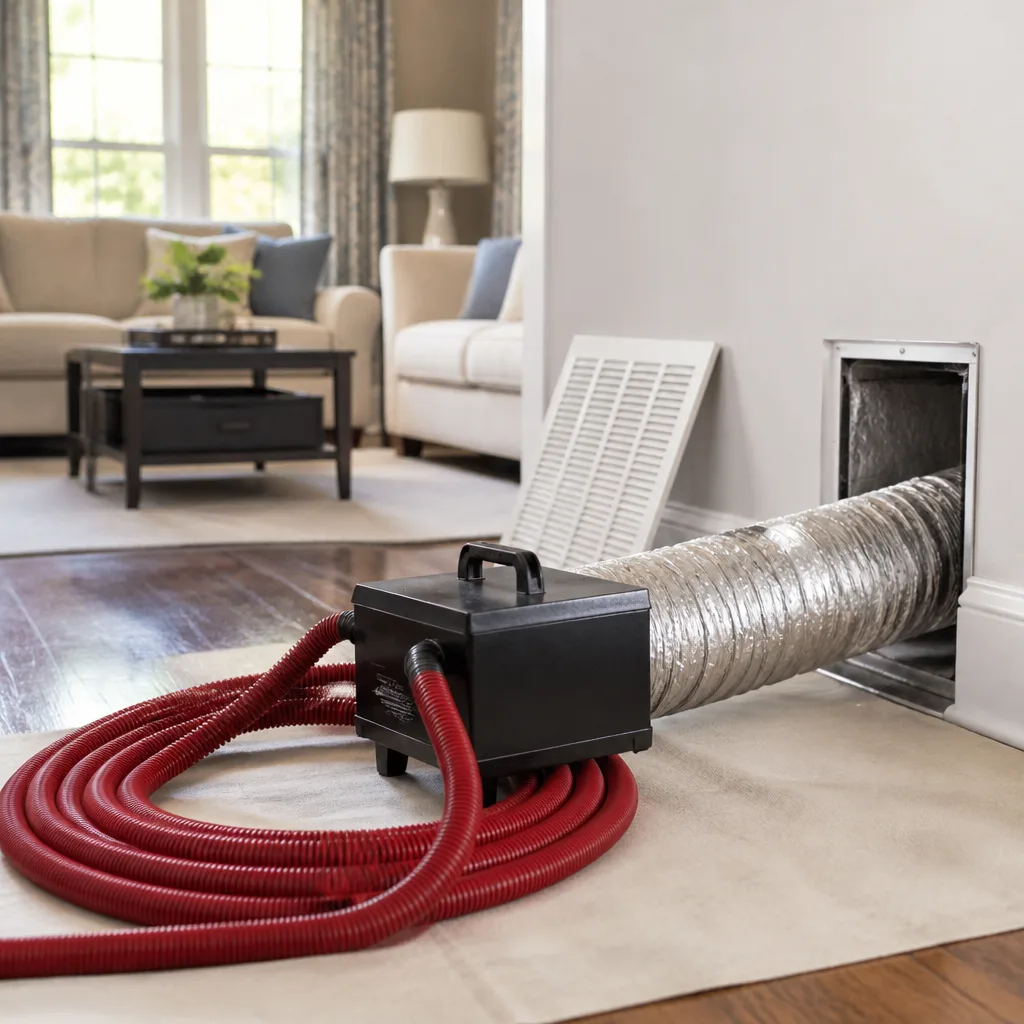 Whole-home duct cleaning
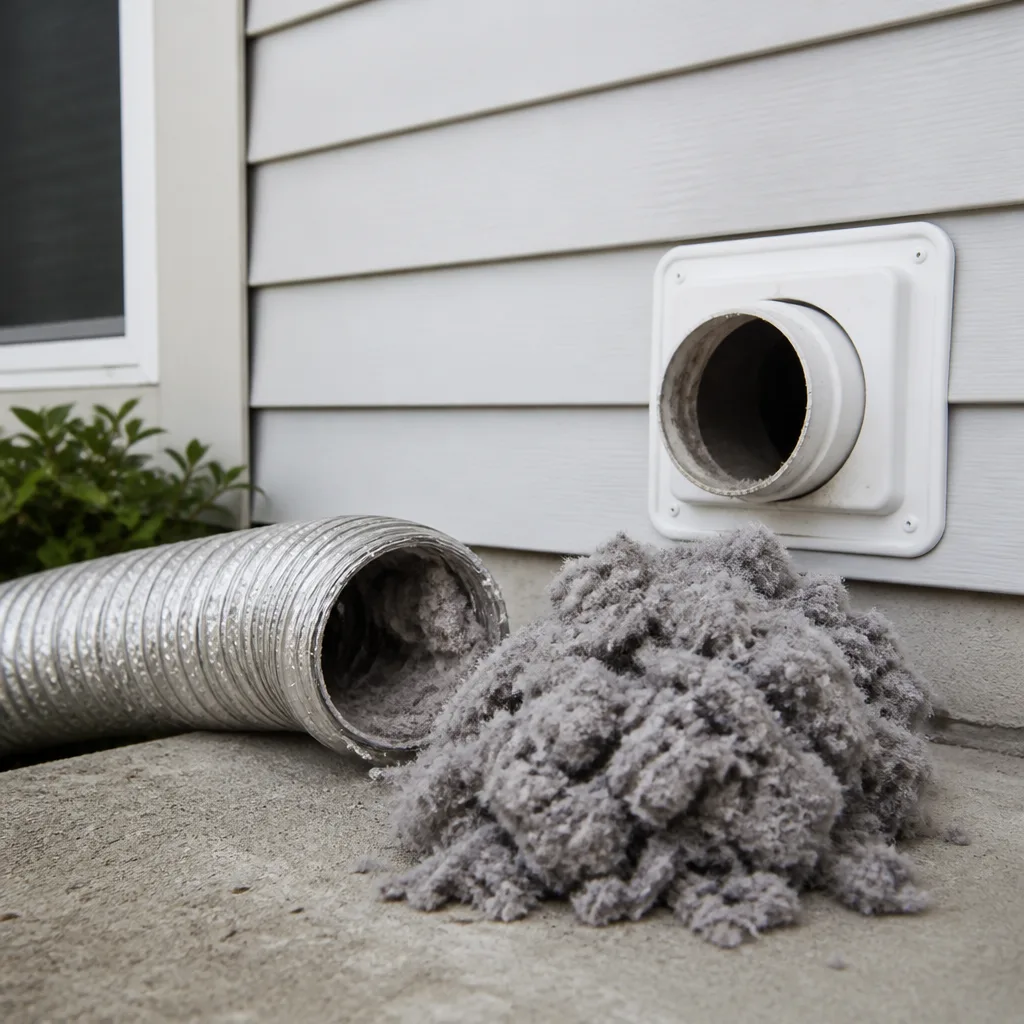 Dryer vent cleaning
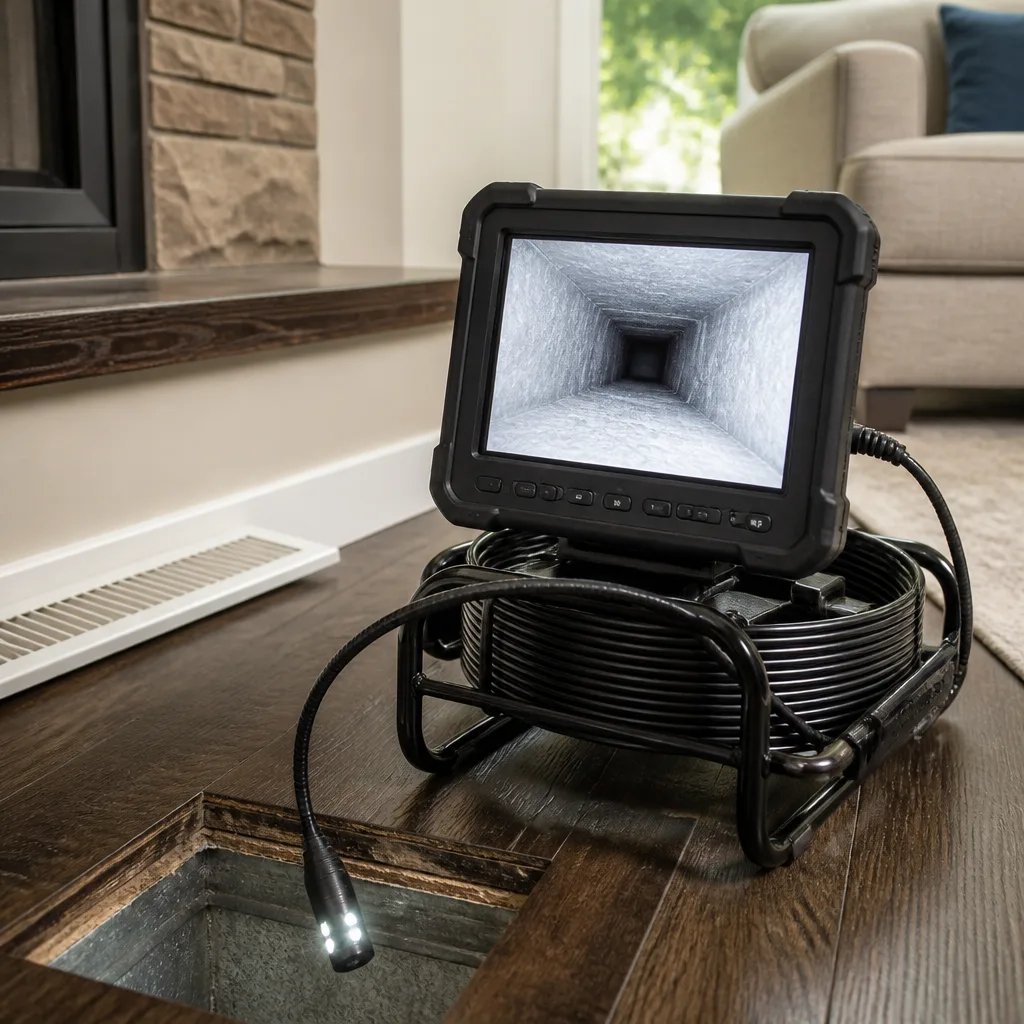 Camera inspection
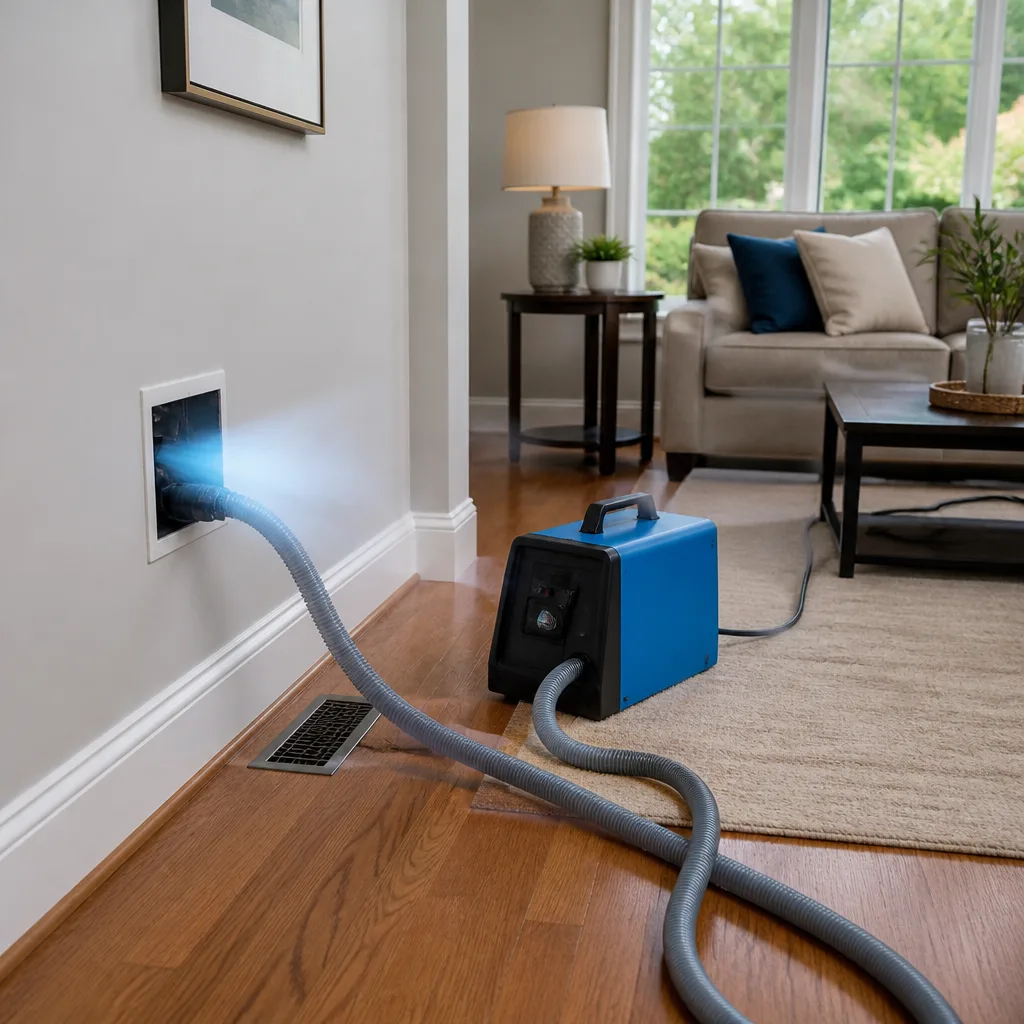 Sanitizing & deodorizing
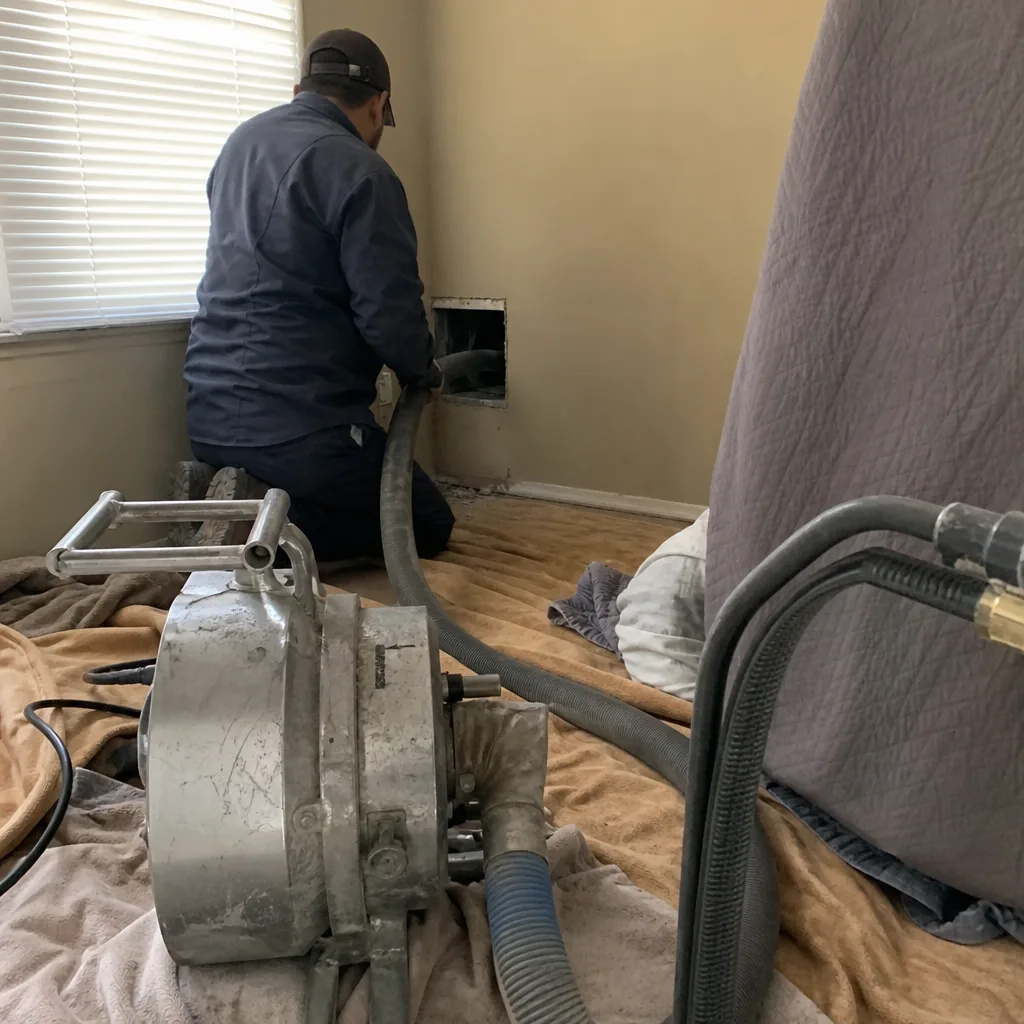
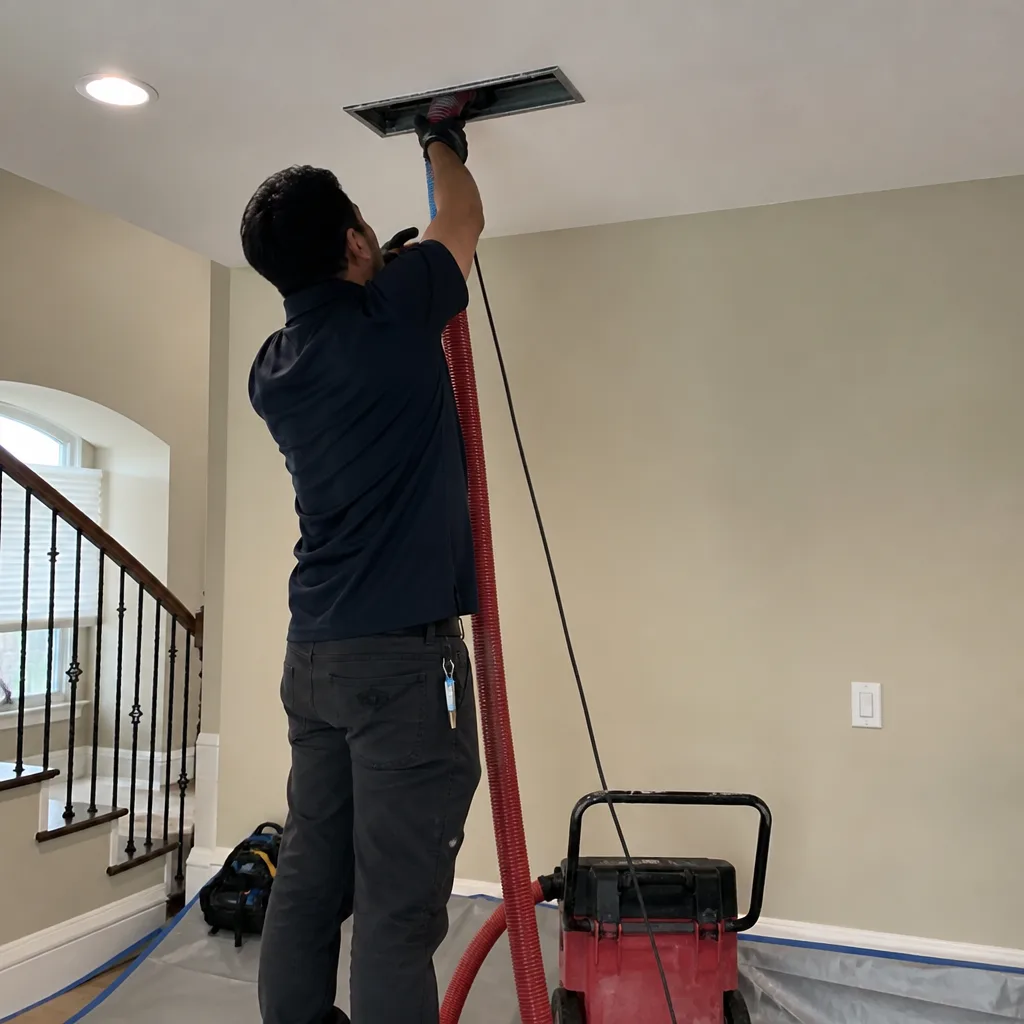
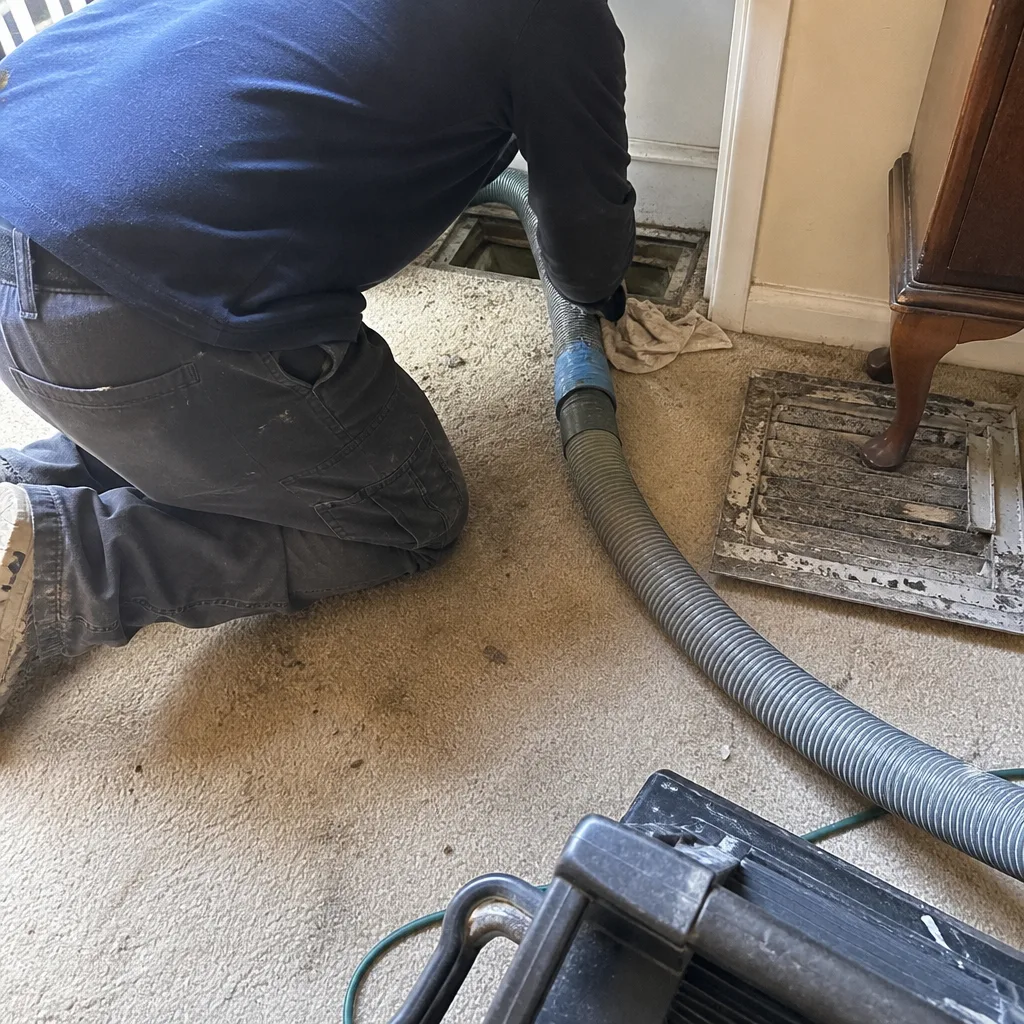
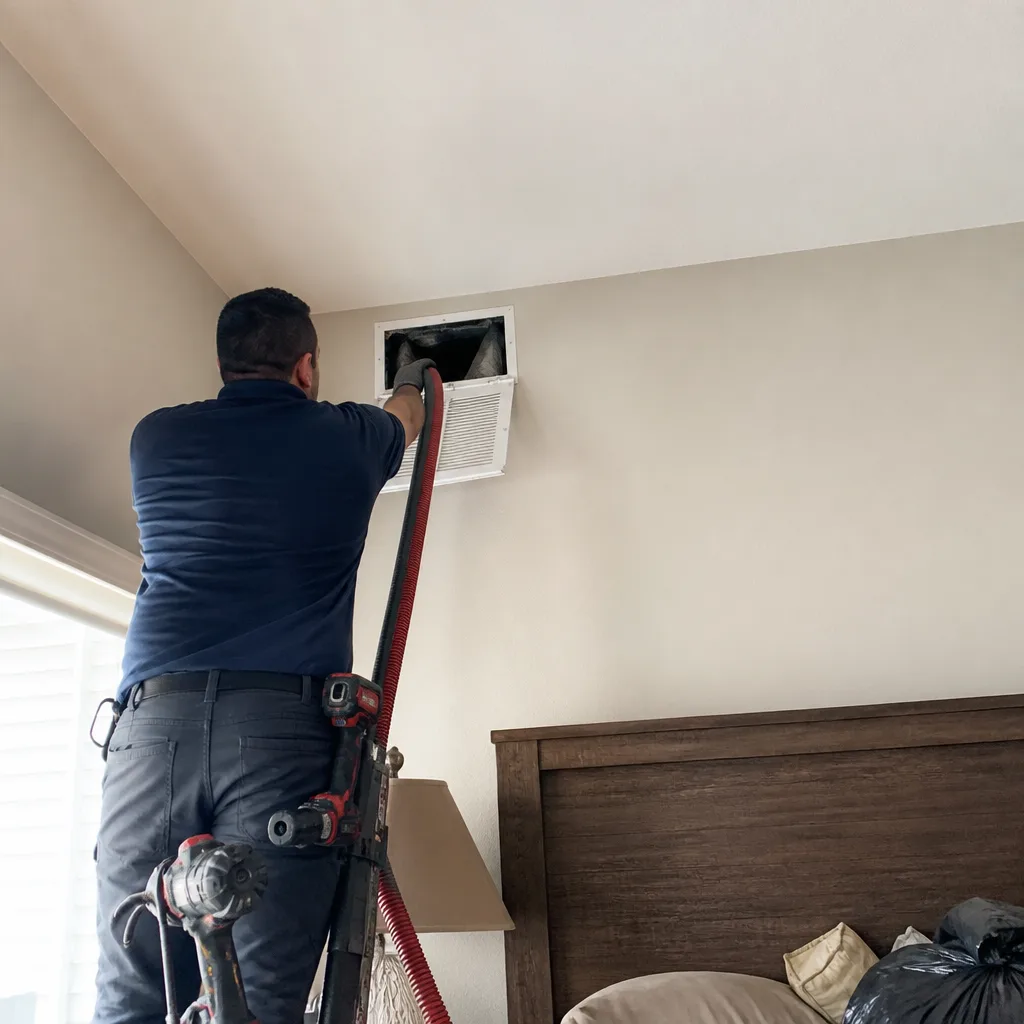
Whole-system duct and dryer vent check with before-and-after photos - you see exactly what came out of your vents
That "$99 whole-house special" is a bait ad - the real number appears once they are in your hallway, or the "clean" is a shop-vac at the register. We photograph the inside of your ducts before and after instead.
Air Duct Cleaning Warning Signs: A Dublin Homeowner’s Reference Guide
A dusty supply register isn’t a sign your ducts need cleaning. It’s a sign they already needed cleaning six months ago, and the debris is finally heavy enough to shed visibly at 3 mph airflow. By the time most Dublin homeowners spot the obvious indicators – visible mold, dust blowing from vents, a total loss of airflow in a room – the underlying problem has been compounding for years. This guide is different. We’ve written it to help you catch the early, easy-to-miss signals that show up on your energy bill, in your sinuses, and in the subtle behavior of your HVAC system long before they become expensive. If you live in Dublin, where summer heat pushes AC systems hard and spring pollen season taxes indoor air quality, knowing these signs can save you a four-figure repair.
Styles & brands we work with
- Whole-home duct cleaning
- Dryer vent cleaning
- Camera inspection
- Sanitizing & deodorizing
Quick Answer
The earliest warning signs that your air ducts need cleaning in Dublin are: a musty or metallic odor when the system first starts, visible dust accumulating on registers within days of wiping them, rooms that never reach the same temperature as the rest of the house, unexplained increases in your energy bill during mild weather, and allergy symptoms that flare indoors but improve when you leave the house. Any two of these together warrant a professional inspection or Air Duct Cleaning services.
Table of Contents
- The Smell Test: What Your Nose Knows Before Your Eyes Do
- Airflow Asymmetry: The Room-by-Room Check Most Homeowners Never Do
- Longer Run Times: The Energy Bill Warning Sign
- Allergy Symptoms: Cross-Referencing Against Duct Service History
- Post-Renovation and Post-Pest Signals: When to Act Immediately
- The Honest Visual Inspection: What Actually Matters
- Common Mistakes to Avoid
- When to Call a Professional
- Frequently Asked Questions
- The Bottom Line
The Smell Test: What Your Nose Knows Before Your Eyes Do
Your HVAC system is a closed loop that recirculates the same air through your Dublin home roughly five to seven times per day. Anything living, growing, or accumulating inside that loop announces itself through smell long before it becomes visible. Three specific odors deserve your attention, and each points to a different underlying condition.
Musty or “damp basement” smell at startup. When your AC kicks on in a Dublin summer, condensation forms on the evaporator coil. In a clean system, that moisture drains away. In a dirty system, dust and organic debris trap moisture against the coil, creating a habitat for microbial growth. The musty smell you notice in the first thirty seconds of operation is the system pushing air across that damp, organic buildup. It fades as the system runs, which is exactly why homeowners dismiss it. Don’t. That smell is mold’s calling card, and it’s telling you moisture management inside the system has failed.
Metallic or “hot dust” smell during heating season. When dust accumulates on the heat exchanger or electric heating elements, the first heating cycle of fall burns it off. You smell it as a sharp, metallic, almost electrical odor. One burn-off cycle after a long idle period is normal. If the smell returns every time the system starts throughout the winter, you’re dealing with a continuous source of dust entering the system – likely return-side leaks pulling attic or crawlspace air into your ductwork. In Dublin’s older neighborhoods like Silvergate or the homes along Dougherty Road built in the 1970s and 80s, aging return ductwork is a common source of this exact problem.
Burning or acrid smell from vents. This one is different. If you smell actual burning, turn the system off and call a professional immediately. Burning odors from vents can indicate an overheated blower motor, wiring issues, or debris that has come into contact with heating elements. We’ve seen dryer-lint-like buildup inside ducts ignite from proximity to heat strips. This is not a cleaning delay situation – it’s a safety situation. Clean ducts don’t eliminate wiring problems, but they do remove the fuel that turns a small electrical fault into a house fire.
Airflow Asymmetry: The Room-by-Room Check Most Homeowners Never Do
Here’s a simple test that reveals more about your duct system than most inspection cameras. Walk through your Dublin home on a hot afternoon when the AC is running. Stand in each room and hold your hand about four inches from the supply register. The airflow should feel consistent room to room, accounting for the fact that rooms farther from the air handler will naturally have slightly less force. What you’re looking for is asymmetry – rooms that differ dramatically from their neighbors.
If the bedroom at the end of the hall gets a whisper of air while the living room register practically blows papers off the desk, something is restricting the path. Three common culprits, in order of frequency in Dublin homes:
- Partially collapsed or kinked flex duct. Flexible ductwork, common in California homes built since the 1980s, sags and kinks over time. In attics that hit 140 degrees in Dublin summers, the outer jacket deteriorates and the inner liner can collapse. A kinked flex duct can cut airflow to a room by 60% or more while looking completely normal from the register.
- Blocked trunk line or branch takeoff. Years of dust, pet hair, and construction debris accumulate at branch connections where airflow changes direction. We’ve removed enough debris from a single branch takeoff to fill a kitchen trash bag.
- Damper problems. Many Dublin homes have manual volume dampers at branch connections. They get bumped, corroded, or installed wrong. If one room has always been weak, a damper may be the issue – and that’s a repair conversation, not a cleaning conversation.
Document the asymmetry. Note which rooms are weak, which are strong, and whether the pattern changes between heating and cooling seasons. That information is gold to a technician because it tells us where to look before we even open an access panel. Our air duct repair service in Dublin handles the damaged or collapsed ductwork that cleaning-only companies simply blow past.
Longer Run Times: The Energy Bill Warning Sign
Your thermostat tells a story you might not be reading. When a Dublin homeowner mentions “the AC runs constantly and the house never quite cools down,” two possibilities come to mind before we ever inspect the system. The first is an undersized or aging AC unit. The second – and in our experience, just as common – is a restricted duct system making the whole operation inefficient.
Here’s the mechanism. Your HVAC system moves heat from inside to outside. It does that by moving air across the evaporator coil. When the coil, blower wheel, or duct surfaces are coated with even a thin layer of dust and debris, heat transfer efficiency drops. The system still moves air, but that air doesn’t pick up as much heat per cycle. So the system runs longer to hit the same temperature. Longer run times mean more energy consumed, more wear on the compressor, and a higher PG&E bill.
Compare your summer bills against the same period two or three years ago, adjusting for rate increases and weather. If usage is up 20% or more and your AC unit is older, restricted airflow is a prime suspect. A proper air duct cleaning in Dublin that addresses coil, blower, and full duct surfaces can restore heat transfer efficiency measurably. We run contractor-grade systems – Rotobrush rotary brush equipment paired with Nikro HEPA filtration – precisely because surface-level agitation without proper extraction just moves debris from the duct walls into the air stream, where it resettles or recirculates.
Allergy Symptoms: Cross-Referencing Against Duct Service History
Dublin sits in the Tri-Valley, where spring brings waves of oak, grass, and olive pollen and fall brings ragweed. If you sneeze in April and October, pollen is a rational explanation. But here’s the question most homeowners never ask: do your symptoms improve when you leave the house? Pollen doesn’t care where you are. Allergens circulating through your duct system do.
Here’s a practical cross-reference for Dublin homeowners. Pull your allergy symptoms and ask three questions:
- Do symptoms spike within 30 minutes of the HVAC system starting? That temporal correlation is a strong signal that the system is distributing an allergen load, not pollen coming through an open window.
- Do symptoms improve at work, at the office, or in hotels? If you feel better in other indoor environments, your home’s air handling system is the variable.
- When was the last time the ducts were actually cleaned? If the answer is “I don’t know” and you’ve lived in the house more than three years, the ducts have been accumulating everything that’s ever blown through the return grille – and that includes years of Dublin’s seasonal pollen that got drawn in through door gaps and window screens.
For households managing asthma or persistent allergies, we recommend choosing the right air duct cleaning brand and approaching duct service history the way you’d approach a medical history. Know when the system was last serviced, what was done, and whether the HVAC filter has been maintained consistently. A high-quality Aprilaire or Honeywell filtration system does good work, but a premium filter upstream of dirty ducts is like putting a clean straw in a dirty glass. The air still passes through the contamination.
Post-Renovation and Post-Pest Signals: When to Act Immediately
Some warning signs aren’t gradual. They’re triggered by events, and they require inspection regardless of when your ducts were last cleaned.
Post-renovation dust. Drywall dust, sawdust, and demolition debris are extremely fine and extremely mobile. If you’ve had any work done – a kitchen remodel, a bathroom tear-out, flooring replacement – at least some of that dust entered the return air stream and ended up in your duct system. Contractors tape off doorways and lay down plastic, but negative pressure from a running HVAC system pulls airborne dust through any gap. We’ve inspected systems six months after a renovation where drywall dust had coated the evaporator coil like flour and cut cooling efficiency dramatically. The rule: if the renovation created dust, schedule a duct inspection after the work is done, not a year later.
Post-pest activity. Rodents in the attic or crawlspace leave droppings, nesting material, and dander. If you’ve had a pest control treatment or trapped a rodent in the house, assume the duct system has been affected until proven otherwise. Flex duct is easy for rodents to chew through, and a breached duct pull attic air, insulation fibers, and pest debris directly into your living space. The smell test applies here too – a persistent odor that pest treatment didn’t eliminate often traces back to the duct system.
Post-move-in. If you bought a Dublin home and inherited decades of someone else’s air quality history, get a baseline. The previous owner’s pets, cooking habits, and filter-changing discipline are all inside those ducts. A professional inspection with camera documentation gives you a clean starting point.
The Honest Visual Inspection: What Actually Matters
Walk through your home and look at four specific things. This is the visual check that tells you more than any one symptom alone.
1. Register and grille accumulation. Wipe a supply register clean with a damp cloth. Check it again in two weeks. If visible dust has recollected on the register face, the duct system is actively shedding – and for every particle that lands on the register, thousands more have entered the room air you breathe.
2. Return grille coating. Unscrew and pull a return grille. Look at the back side. A felt-like coating of gray or brown lint is an indication of what’s being pulled into the system. Worse, check the wall cavity or filter slot behind the grille. If it’s coated, the system is operating under restricted airflow and that dust is loading the coil, blower, and ducts.
3. Filter condition at the 30-day mark. A standard 1-inch filter that looks completely clogged after 30 days is either doing its job in a high-dust environment or signaling that dust is bypassing the filter through gaps around the filter frame. Either way, the ducts downstream are accumulating more than they should.
4. Visible staining around register openings. Ghosting – those gray or black streaks emanating from supply vents on walls or ceilings – is deposition of fine particulates. It’s not just a cleaning nuisance. It’s evidence of the particulate load your system is distributing throughout the Dublin home.
None of these, taken alone, is conclusive. Two or more together, combined with the sensory and system indicators above, make a compelling case for professional evaluation. Homes equipped with whole-house systems from Aprilaire or Honeywell present one additional consideration: those systems rely on proper airflow to function as designed, and a restricted duct system degrades their performance too. We work alongside those premium systems regularly and understand how to clean without compromising their components.
Common Mistakes to Avoid
- Waiting for visible mold on register covers. By the time mold is visible on a register face, the organic material supporting it inside the duct system has been present for months or years. Visible mold is a late-stage indicator, not an early warning.
- Assuming a clean filter means clean ducts. A standard 1-inch filter catches a fraction of the particulate that enters the system. The filter protects the equipment, not the duct surfaces. Clean ducts and a clean filter are different things.
- Accepting the “ducts don’t need cleaning” claim without context. It’s true that ducts don’t need cleaning on a fixed schedule. But they absolutely need cleaning when event-driven or symptom-driven evidence says they do. Renovation, pest activity, visible shedding, persistent odors – these override any generic “duct cleaning is a myth” talking point.
- Hiring on price alone. A $199 whole-house special that uses a consumer-grade vacuum and no agitation is air movement, not cleaning. If the equipment can’t agitate and extract properly, you’ve paid for a visual change and nothing more.
- Ignoring duct damage because “we’ll clean first and see.” Cleaning a torn or disconnected duct doesn’t repair it. In Dublin attics where flex duct sags and separates, a cleaning-only service may leave you with a clean system that still loses 30% of its air into the attic.
- Dismissing symptoms because the house is new. Even in newer Dublin construction, drywall dust and construction debris are frequently found in duct systems. Builders don’t clean ducts. They install them, test airflow, and move on. Your new house isn’t exempt from dirty-duct problems.
When to Call a Professional
Call a professional when the evidence stops being subtle. Visible mold on or around registers, persistent musty or burning odors that return after cleaning, airflow so weak in a room that you’ve stopped using it, rodent activity in the attic or crawlspace, or a renovation that created significant dust – these are not DIY situations. A camera inspection costs less than the damage you’ll cause by ignoring the problem. Duct Cleaning Dublin offers free estimates throughout Dublin – call (855) 356-4417 and we’ll tell you what we see, not what we’re trained to sell.
Frequently Asked Questions
Whole-system air duct cleaning in Dublin typically runs $350 to $800 depending on home size, number of returns, and system accessibility. Homes with two separate HVAC systems, extensive flex duct, or heavy contamination will push toward the upper end of that range. Call (855) 356-4417 for an exact quote – estimates are free and based on a documented inspection, not a square-footage guess.
Cheaper quotes generally come from operators using a single consumer-grade vacuum connected to the register or a basic shop-vac setup, with no agitation and no proper containment. They move air around inside the ducts without removing the debris bonded to duct surfaces – or worse, they loosen it and recirculate it throughout the house. The job takes 45 minutes because nothing was actually extracted. A legitimate cleaning runs contractor-grade equipment, agitates surfaces mechanically, and captures debris with HEPA filtration at the containment point.
A legitimate air duct cleaning company documents the work with before-and-after photos from a camera inspection, showing the same duct sections cleaned. You should also see the extracted debris – in a heavily contaminated system, it’s a startling amount of material. If the techs can’t show you both, you have reason to be skeptical. Dryer vent cleaning in Dublin follows the same standard: documented before-and-after conditions at the vent exit.
There’s no honest fixed interval. Air ducts need cleaning when the evidence says they need cleaning: visible dust shedding, persistent odors, documented allergy correlation, post-renovation or post-pest contamination, or airflow restricted by debris. For a typical Dublin home without pets, without smokers, and with regular filter changes, that might be every five to seven years. For a home with pets, renovating, or near open space with seasonal particulate load, it could be every two to three years.
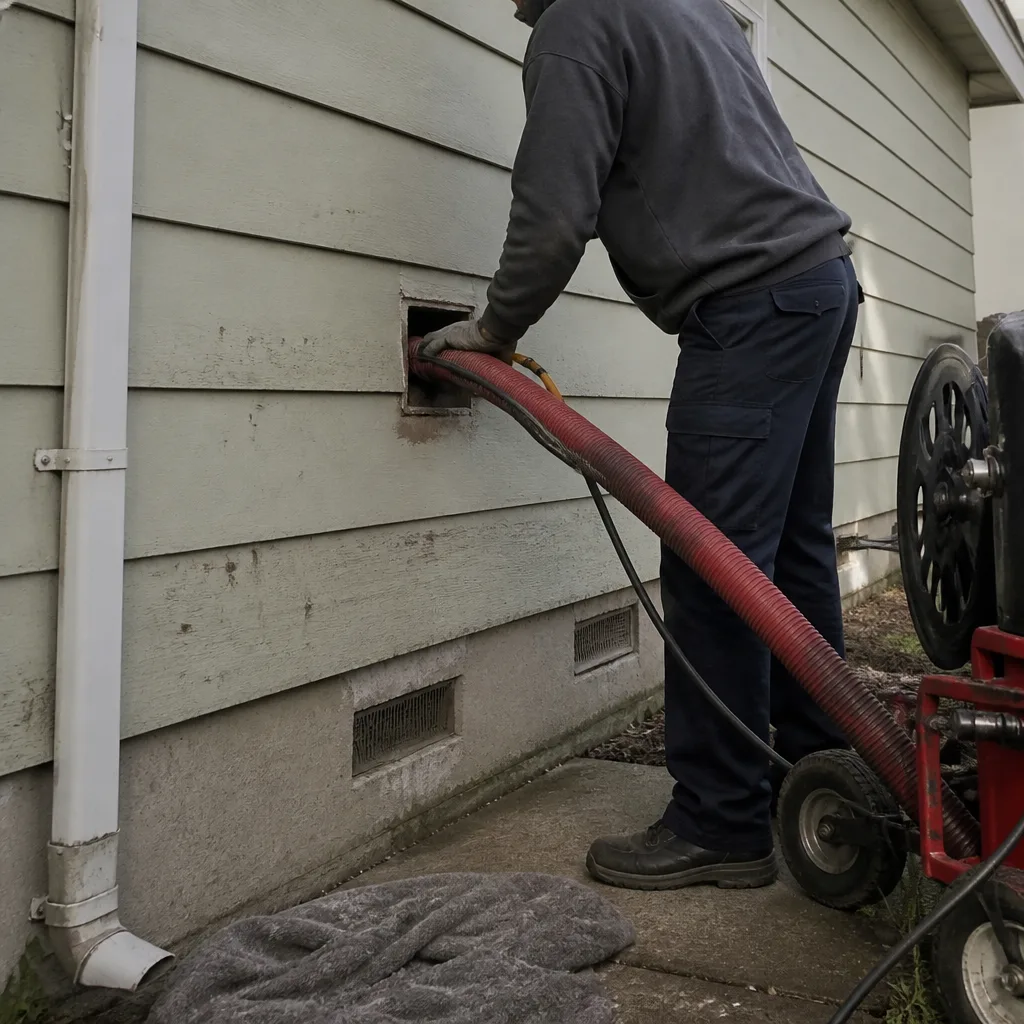
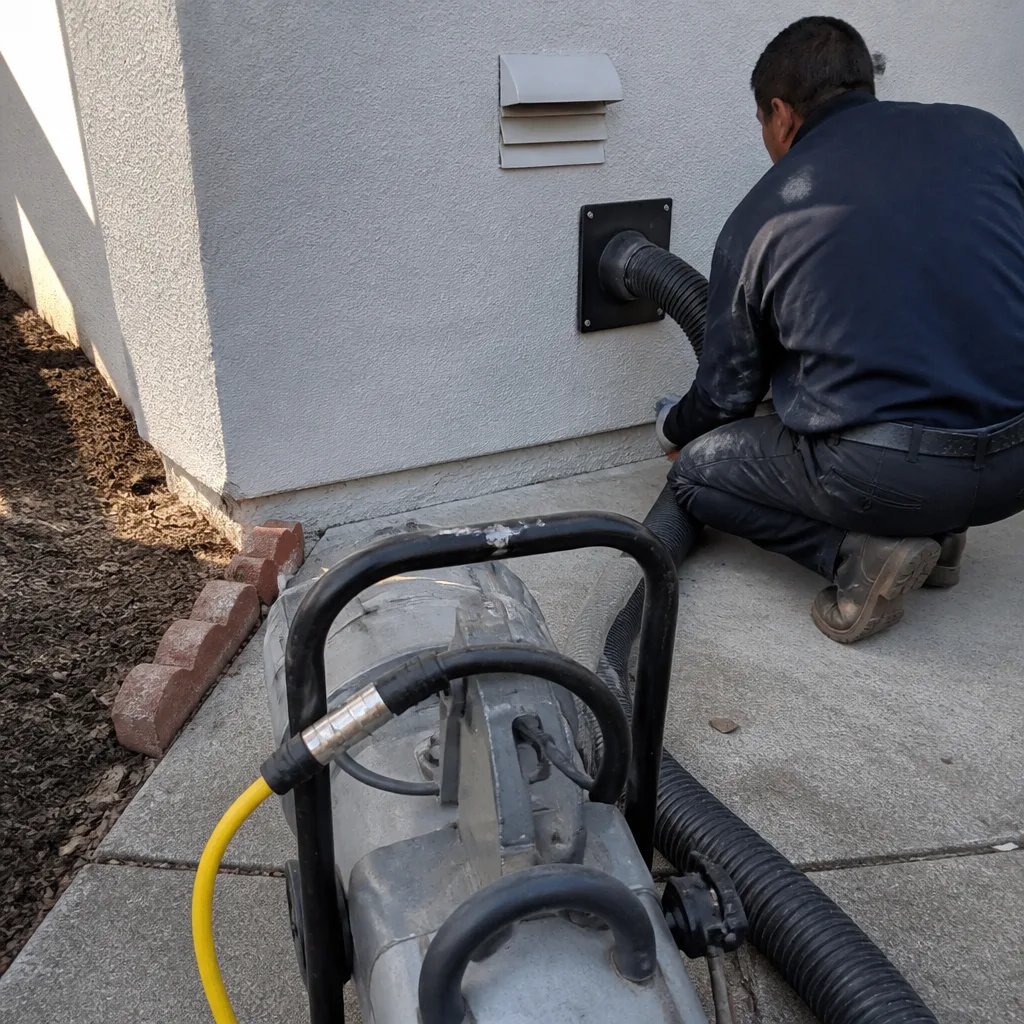
They’re separate systems but share a common failure mode: restricted airflow causing efficiency loss and safety risk. A clogged dryer vent increases drying time, wastes energy, and is a leading cause of house fires. We treat dryer vent cleaning in Dublin as its own service because the fire-prevention stakes are different from general duct hygiene. If you’re already having your HVAC ducts cleaned, add a dryer vent inspection – the two are often neglected together.
Yes. A HEPA filter cleans the air that passes through it in one room, but the HVAC system recirculates air throughout the house five to seven times daily. If the ducts are loaded with allergens – pet dander, pollen, dust mite waste – every heating and cooling cycle distributes that load into every room. A room HEPA unit helps, but it’s fighting the HVAC system, not complementing it. Clean ducts plus a quality Aprilaire or Honeywell whole-house filtration system is a better allocation of your air quality budget over time.
The Bottom Line
The duct warning signs that matter in Dublin homes aren’t the ones most articles list. They’re subtle: a startup odor that fades in thirty seconds, a bedroom that never cools like the living room, an energy bill climbing without explanation, allergy symptoms that track with HVAC run time, and the lingering dust of a renovation completed months ago. Any one of these warrants attention. Two or more means a professional inspection is overdue. Ducts move the air you breathe more than any other system in your house. When they’re dirty, damaged, or both, the problem compounds silently. The fix is not a coupon price and a shop vac. It’s proper equipment, documented cleaning, and honest repair when the ductwork itself has failed.
Written by the team at Duct Cleaning Dublin, serving Dublin since 2017. Explore our more guides & resources.
See the difference
 Before
 After
 Before
 After
 Before
 After