
Last updated November 2, 2026
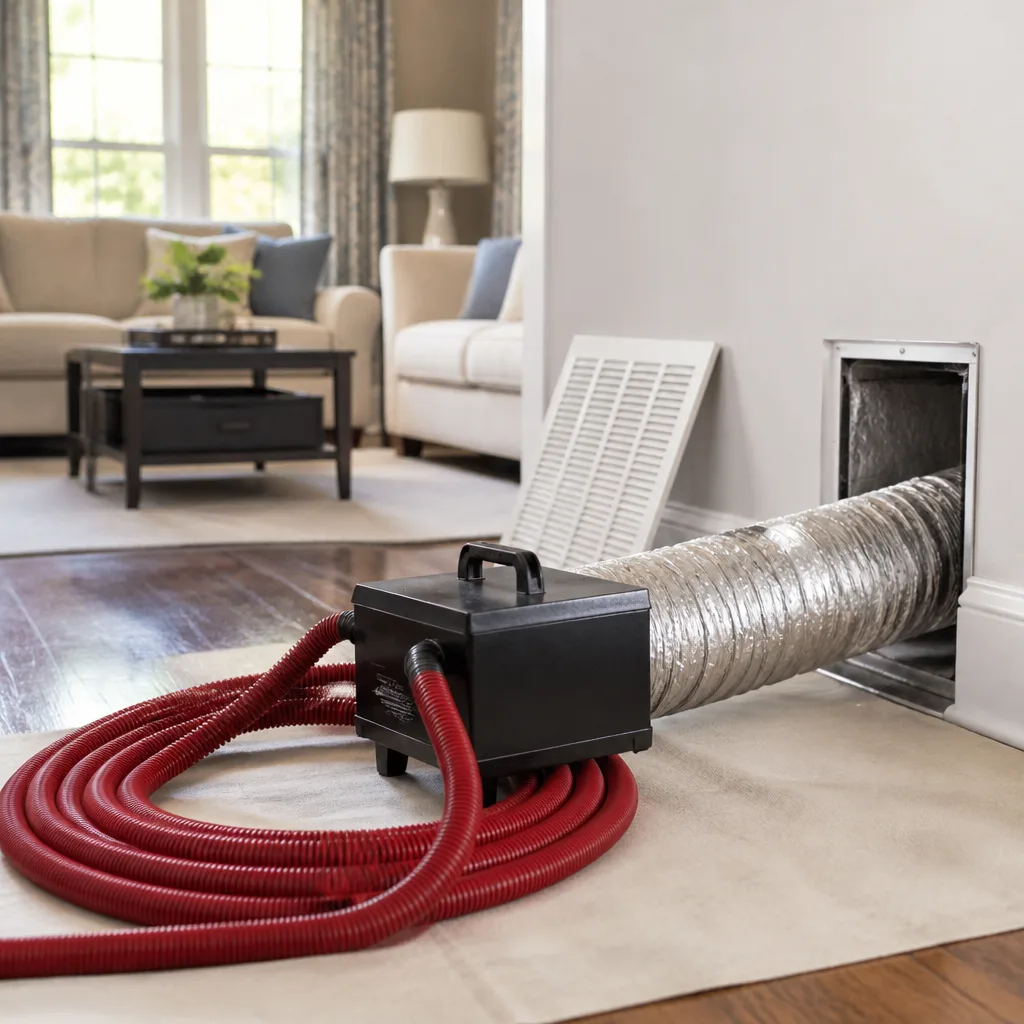 Whole-home duct cleaning
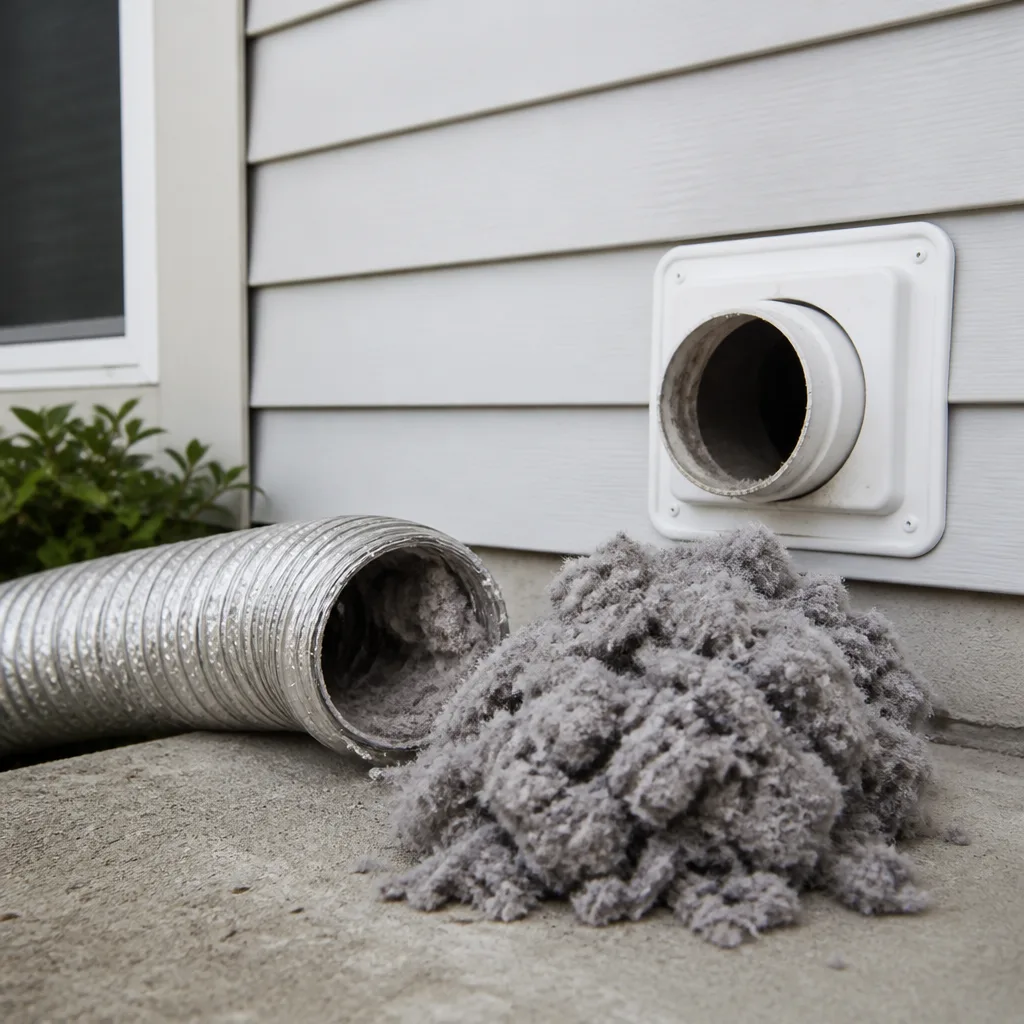 Dryer vent cleaning
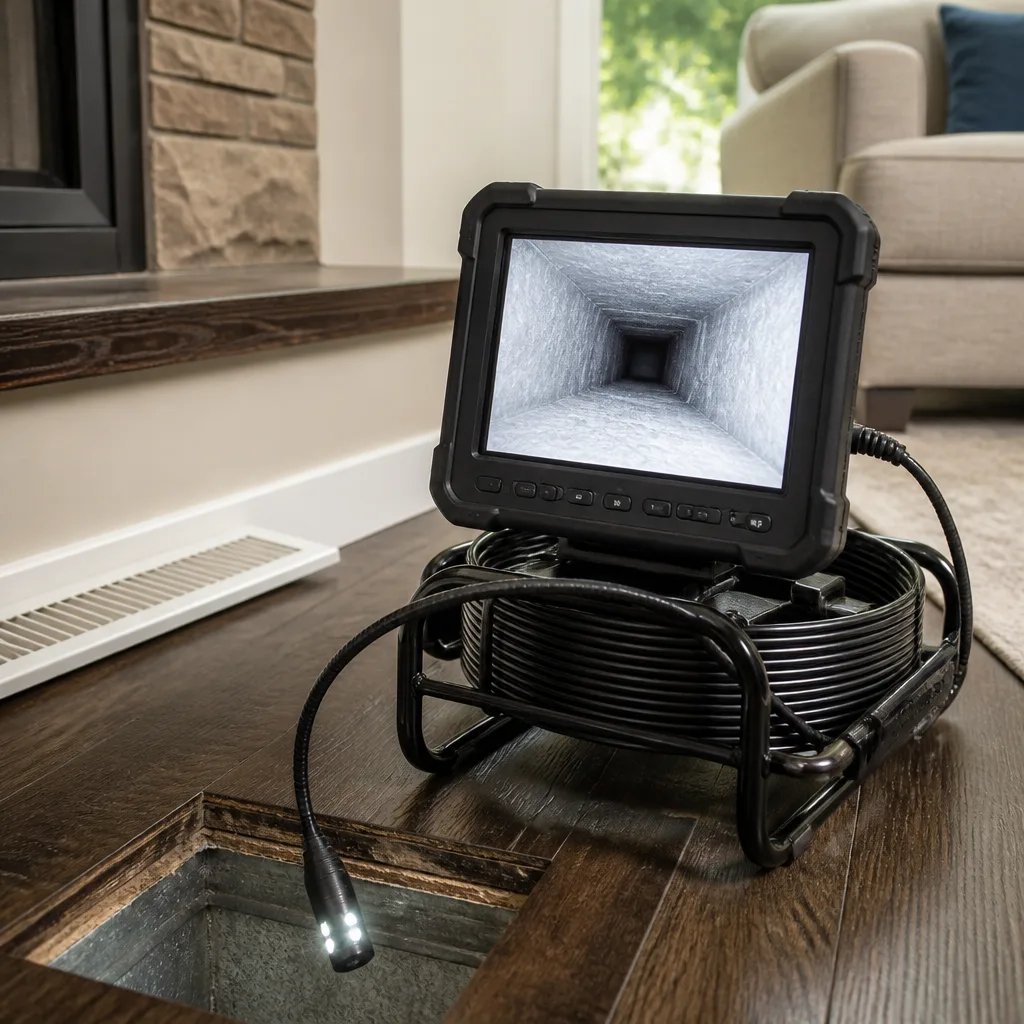 Camera inspection
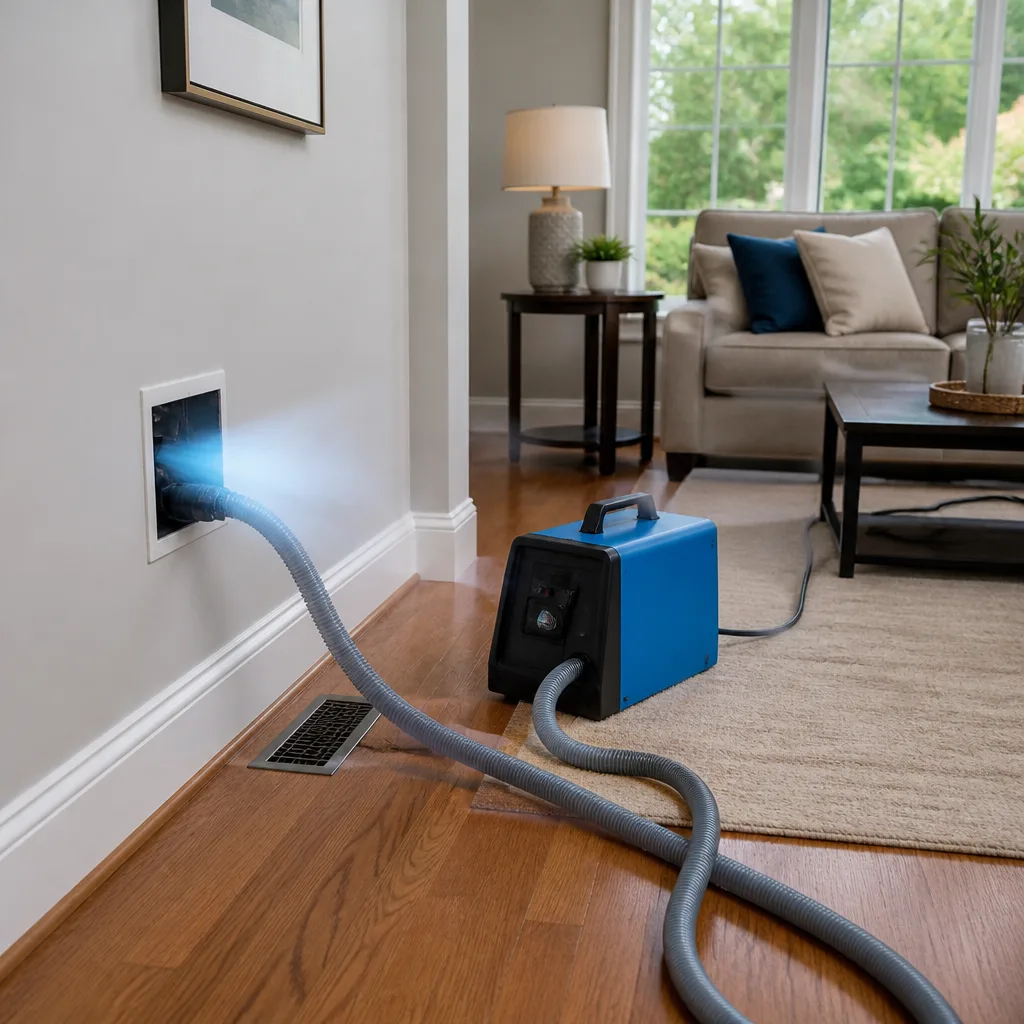 Sanitizing & deodorizing
Whole-system duct and dryer vent check with before-and-after photos - you see exactly what came out of your vents
That "$99 whole-house special" is a bait ad - the real number appears once they are in your hallway, or the "clean" is a shop-vac at the register. We photograph the inside of your ducts before and after instead.
How to Hire an Air Duct Cleaning Contractor in Dublin: A Step-by-Step Guide
The $49 whole-house duct cleaning coupon isn’t a deal. It’s a door-opener. What it opens is a conversation designed to upsell you once a technician is standing in your living room, because no legitimate company running contractor-grade equipment can survive on $49 per system. Dublin’s duct cleaning market has a low barrier to entry: a van, a shop vac, and a coupon mailer is enough to start taking jobs. This guide and our more guides & resources give Dublin homeowners the exact questions to ask, the equipment to demand, and the proof points that separate real duct specialists from opportunists running a bait-and-switch out of a rented cargo van.
Styles & brands we work with
- Whole-home duct cleaning
- Dryer vent cleaning
- Camera inspection
- Sanitizing & deodorizing
Quick Answer
To hire an Air Duct Cleaning services contractor in Dublin, verify three things before booking: the equipment they use (rotary brush agitation plus HEPA-filtered negative air, not a consumer shop vac), their process (contact vacuuming at every register plus trunk-line cleaning, not a single pull at the plenum), and their quote structure (one flat price per system covering access cuts, register cleaning, blower compartment, and dryer vent, with no per-vent pricing or teaser coupon). If a company can’t answer those three equipment questions in under a minute, keep looking.
Table of Contents
- Step 1: Know What “Real” Duct Cleaning Equipment Looks Like
- Step 2: Ask the Three Equipment Questions Before Booking Anything
- Step 3: Understand What NADCA Membership Does and Doesn’t Mean
- Step 4: Spot Dublin-Specific Red Flags Before They Park in Your Driveway
- Step 5: Read the Quote Like a Contractor, Not a Shopper
- Step 6: Verify the Work Before Final Payment
- Common Mistakes to Avoid
- When to Call a Professional
- Frequently Asked Questions
- The Bottom Line
Step 1: Know What “Real” Duct Cleaning Equipment Looks Like
Most Dublin homeowners have never seen the inside of their ductwork, and they’ve certainly never seen what professional-grade cleaning equipment looks like. That knowledge gap is where the industry’s bottom tier hides. The difference between a real duct cleaning and a cosmetic dust-and-run comes down to two machines: the agitator and the extractor.
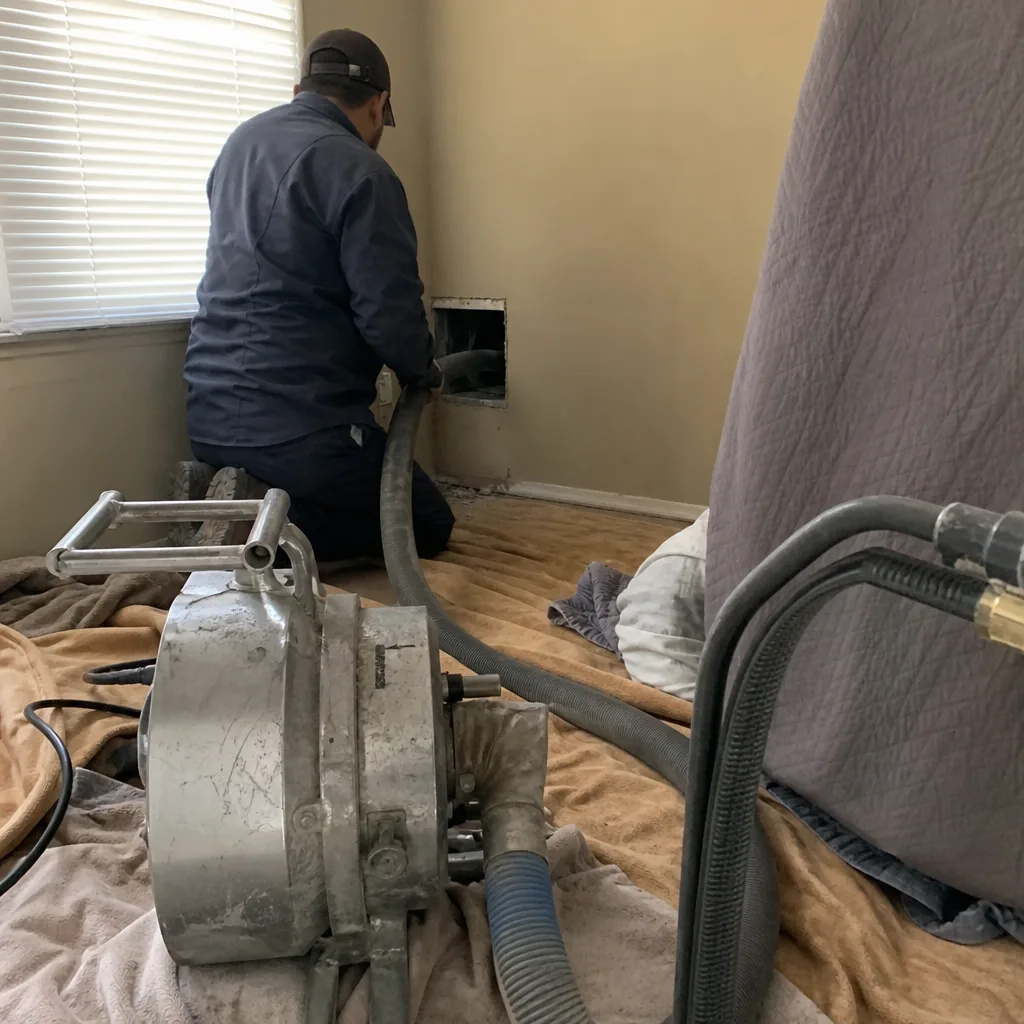
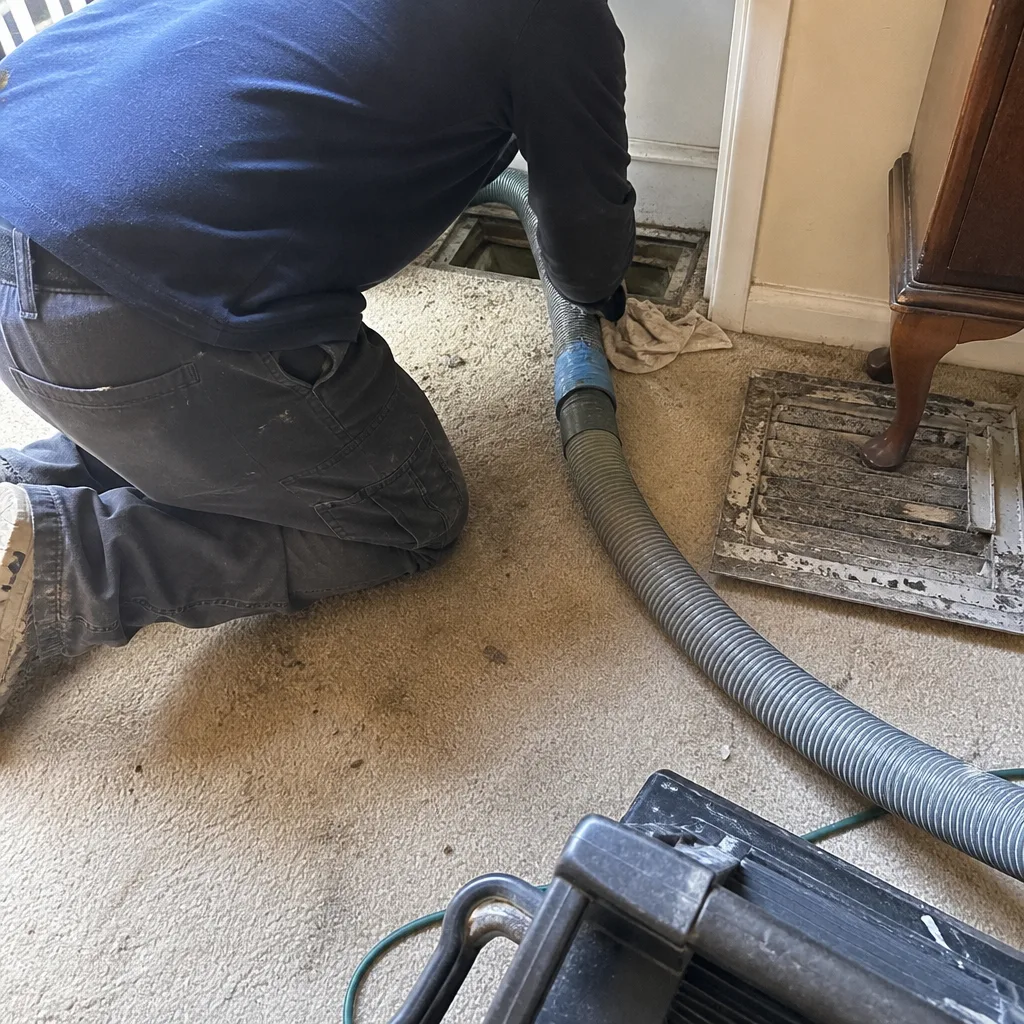
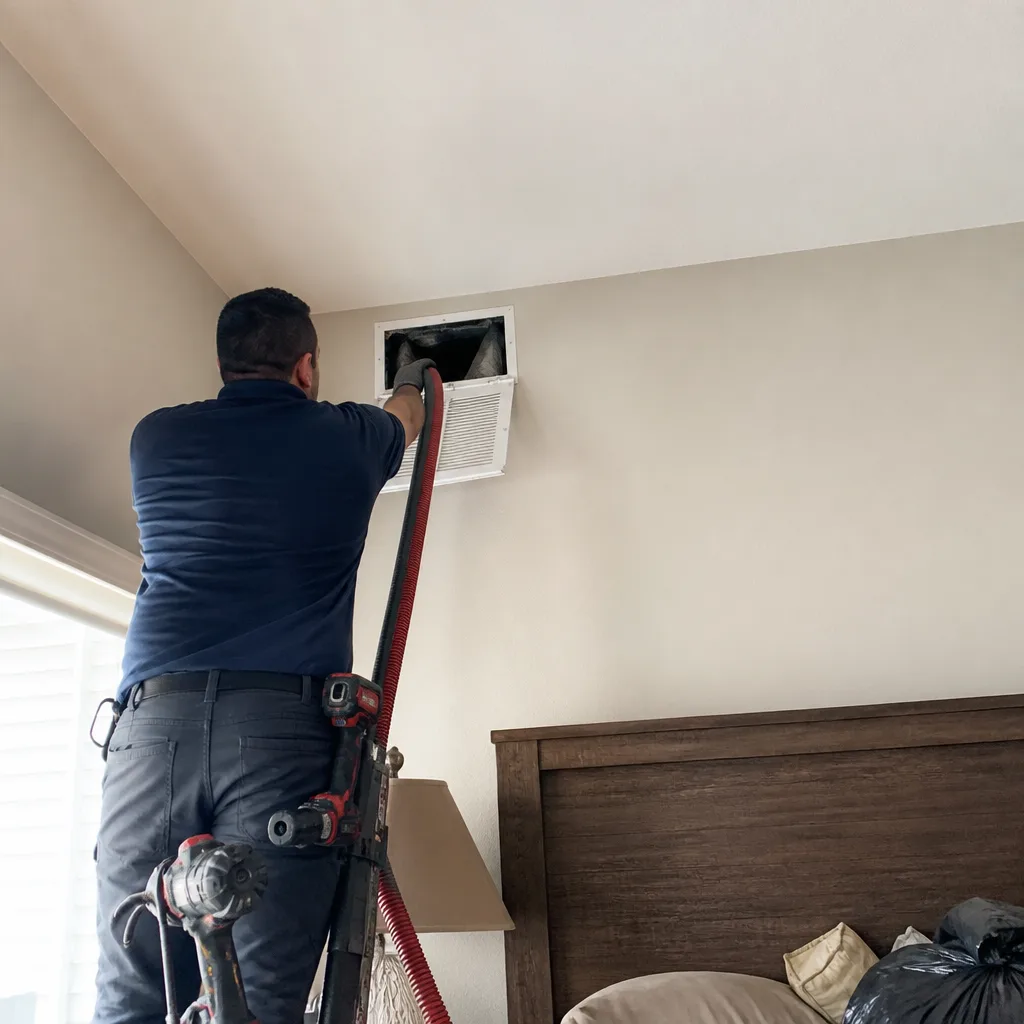
A legitimate contractor runs a rotary brush system that physically scrubs the duct walls. Rotary brush systems, like the Rotobrush platform we run on every job, use spinning bristles driven down the full length of each duct run. The brush loosens debris that’s adhered to the duct walls over years of heating and cooling cycles. Without mechanical agitation, you’re relying on air movement alone, and air movement doesn’t remove the film of dust, pet dander, and debris that sticks to duct surfaces in Dublin’s dry summer climate.
The second machine is the extraction unit. A real setup uses a HEPA-filtered negative air machine, like the Nikro systems we operate, that creates suction measured in thousands of CFM (cubic feet per minute) while trapping particles down to 0.3 microns. This isn’t a Shop-Vac with a long hose. A consumer-grade vacuum pulls maybe 150-200 CFM at best and exhausts fine particulate right back into your home. A Nikro or equivalent HEPA system pulls 2,000 CFM or more and contains what it captures. When a duct cleaning crew shows up in Dublin with what looks like a household vacuum cleaner, you’re paying for a demonstration, not a service. We also run Abatement Technologies negative-air and filtration equipment, the same class of containment used in remediation work, because containing dust during cleaning matters as much as removing it.
The reason equipment matters more than price is simple: underpowered equipment leaves debris behind, and debris left behind in a duct system is what you paid to remove. A thorough cleaning on a single-family Dublin home takes a crew working with proper equipment three to five hours. If a company quotes a two-person crew for a one-hour job, the math doesn’t work. Someone is skipping steps.
Step 2: Ask the Three Equipment Questions Before Booking Anything
Before you book a duct cleaning in Dublin, make one phone call and ask three questions. If the person on the other end hesitates, transfers you, or gives vague answers, the appointment isn’t worth scheduling. Here are the three questions and the answers you want to hear:
- What agitation system do you use? The correct answer includes a rotary brush or similar mechanical agitation system. “We use compressed air” or “we use a vacuum” without mentioning agitation means they’re not actually cleaning anything. Duct walls need physical contact to release adhered debris. Air alone moves loose dust around.
- What is your vacuum’s CFM rating? CFM stands for cubic feet per minute, and it measures actual air movement. A legitimate HEPA-negative air machine pulls 2,000 CFM or more. A shop vac pulls 150-200 CFM. If they can’t tell you the CFM rating on the spot, they don’t know their own equipment, and that tells you everything you need to know.
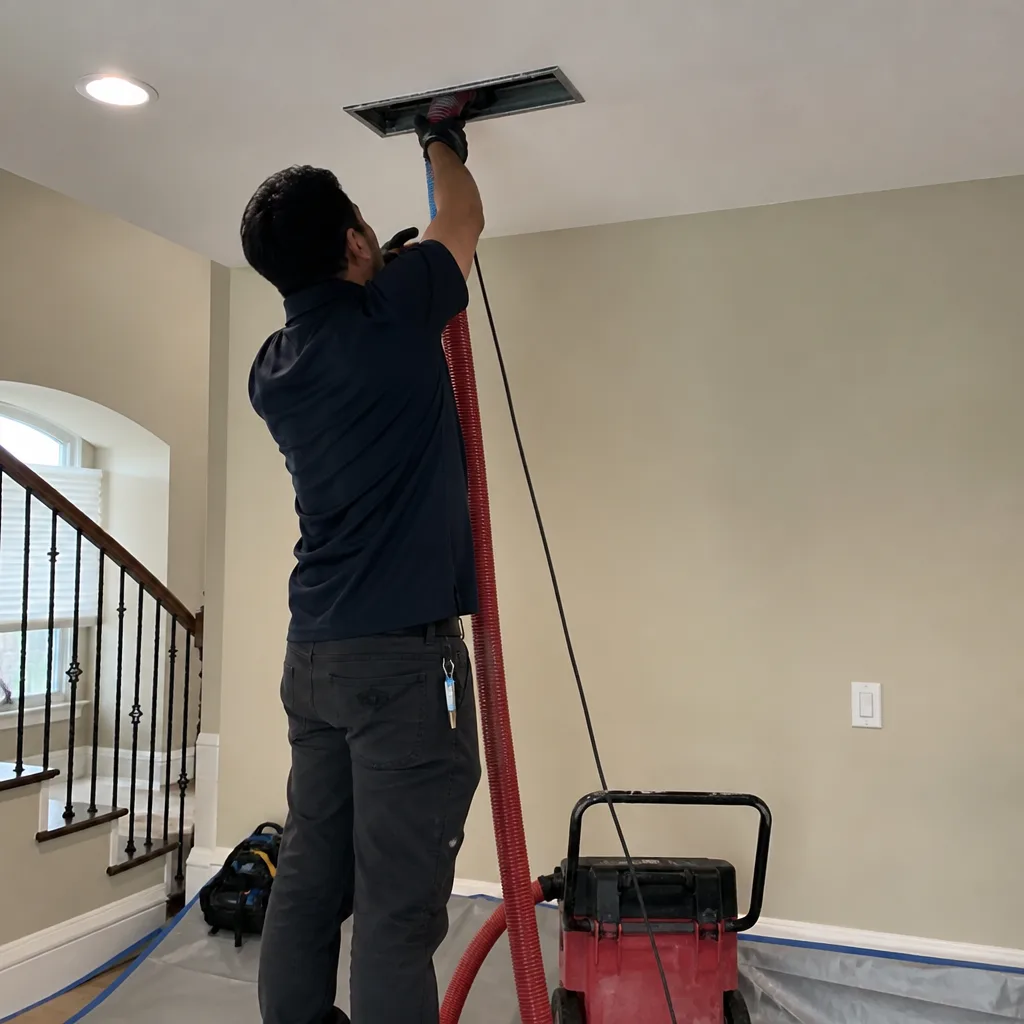
- Do you use a contact vacuum at each register or a trunk-line-only pull? A trunk-line-only pull means they hook a big vacuum to the main trunk and rely on suction alone from one point. Debris in branch runs never gets removed. The correct answer is contact vacuuming at each individual register plus trunk-line cleaning. This is the difference between cleaning the whole system and cleaning the part you can see from the furnace.
These three questions function as a technical audit. A company operating professional equipment can answer them without pausing, because they know their rig. A company running a consumer vacuum and a marketing budget will stumble, deflect, or promise to “have a technician call you back.” If you hear that, the technician won’t be calling back from a truck with a HEPA filter.
Step 3: Understand What NADCA Membership Does and Doesn’t Mean
NADCA, the National Air Duct Cleaners Association, is the industry’s main trade organization, and a NADCA membership is a meaningful signal, but it’s not the certification stamp of excellence many Dublin marketing sites make it out to be. NADCA sets standards for cleaning methodology, publishes the industry’s technical reference documents, and requires members to carry certified technicians. That’s the positive side.
The limit of NADCA membership shows up when you look at what it doesn’t verify. NADCA does not audit the physical equipment a member operates at every job. A company can be a NADCA member in good standing and still run undersized equipment on residential jobs. The membership confirms training and adherence to methodology, but methodology without adequate equipment is a checklist being performed with a toy. That’s why asking the three equipment questions from Step 2 matters even when the company’s truck has a NADCA sticker on it.
The practical takeaway for hiring in Dublin: treat NADCA membership as a minimum baseline, not a differentiator. Then push past it. Ask about equipment specifics. Ask about CFM ratings. Ask whether their technicians are NADCA-certified ASCS (Air Systems Cleaning Specialists), because there’s a difference between a company holding a membership and technicians holding individual certifications. If a company leans on “we’re NADCA members” as their answer to every technical question, they’re using a logo to substitute for capability. Professionals name their equipment. The equipment is the proof.
Step 4: Spot Dublin-Specific Red Flags Before They Park in Your Driveway
Dublin’s housing stock and competitive market create specific patterns of how low-tier duct cleaners operate. Knowing these patterns saves you from spending an afternoon with a salesperson in your hallway. Here’s what the bottom tiers of the Dublin market do:
- The Yelp coupon funnel. A $49 or $79 whole-house cleaning offer routed through a coupon platform or a Yelp deal. These prices cannot cover equipment overhead, insurance, technician wages, and fuel in the Tri-Valley. The coupon is designed to get a technician in your home, where the actual quote gets renegotiated upward. When you see this in Dublin, the business model is the upsell, not the cleaning.
- Non-local call centers. You call a local number and get a national booking center that dispatches a subcontractor from anywhere in the Bay Area. Ask where the physical service address is. If they don’t have one in the Tri-Valley, you’re not hiring a Dublin contractor; you’re hiring a booking agent who will sell your job to whoever picks it up.
- Pressure on the phone before they’ve seen the property. A legitimate duct cleaning company can quote ranges over the phone but will confirm after seeing the system. A company that demands a deposit before dispatch or pushes a “today only” price on the first call is running on cash flow, not reputation.
- No address, no license information, no local presence. A Google Business Profile with no physical address in Dublin or the Tri-Valley, or a website with no “about” page showing actual equipment, is a shell. Real Dublin contractors have local roots, local references, and equipment you can see.
The unifying pattern: the lowest-price operators in Dublin don’t make money on the cleaning. They make money on what they can add once the cleaning quote falls apart. If the math doesn’t work for the contractor, it doesn’t work for you either.
Step 5: Read the Quote Like a Contractor, Not a Shopper
When a Dublin duct cleaning company sends you a quote, most homeowners focus on one number at the bottom. That’s the wrong place to look. The line items tell you whether the contractor intends to do the job completely or to skip the expensive, labor-intensive steps that a thorough cleaning actually requires. Here’s what a legitimate quote includes and what gets omitted to win on price:
What a legitimate quote includes:
- Access panel cuts. Most Dublin homes, especially those built in the 1970s through 1990s, don’t have access panels at key points in the main trunk line. A proper cleaning requires cutting access panels, cleaning through them, and sealing them properly. This is labor-intensive and honest contractors include it. Cheap operators skip it because they can’t do a thorough job without it, and they’d rather not mention it than admit the limitation.
- Register cleaning at every vent. The register is the grille you see in the floor or ceiling. The entire register should be removed, cleaned separately, and the duct behind it cleaned with a contact vacuum. A quote that bundles “up to X registers” or charges per-register is a red flag. Real cleaning covers the whole system.
- Blower compartment cleaning. The blower is the fan that moves air through the system. If the ducts get cleaned but the blower doesn’t, you’re circulating clean air over a dirty fan. This is a standard line item on a complete job.
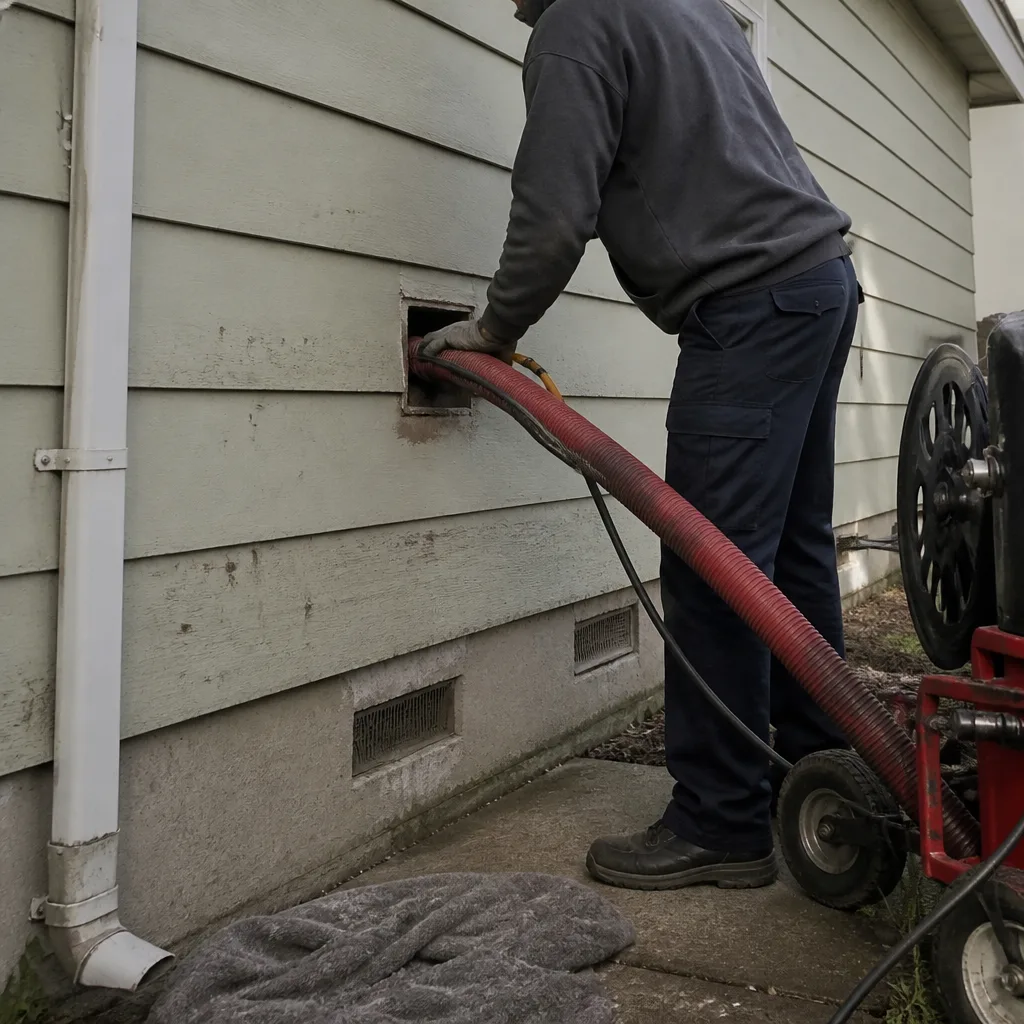
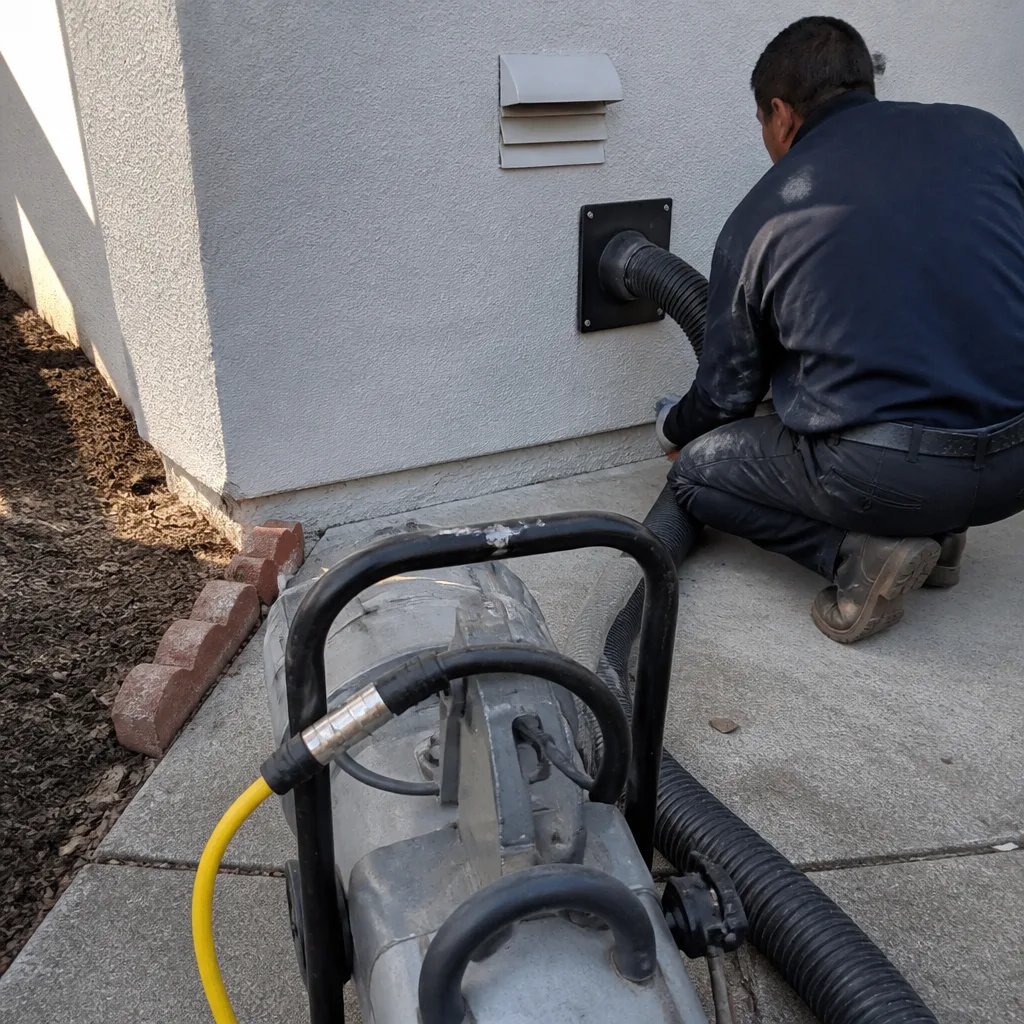
- Dryer vent inspection or cleaning as a separate line item. A dryer vent isn’t an air duct. It requires different tools and different pricing logic. A quote that includes Dryer Vent Cleaning in Dublin as its own line item shows the contractor understands this. We treat it as a distinct service with a fire-prevention focus, because that’s what it is.
- One flat price per system. Not per vent, not per square foot, not per hour. The quote should be a single number for the complete job as scoped. This removes the incentive to drag the job out or to shortchange the areas that don’t have a vent counting against the total.
What gets omitted to win on price:
- Access panels (the quote mentions “cleaning through existing openings” and never talks about creating access).
- Register cleaning (the quote says “duct cleaning” without specifying contact cleaning at every register).
- Blower compartment work (the quote covers supply and return ducts but never the blower housing).
- Dryer vent service (the quote is cheaper because a related fire hazard is never mentioned).
- Post-job documentation (see Step 6).
The structure of the quote tells you what kind of job they intend to do. A one-line “whole house duct cleaning: $X” quote from a Dublin contractor doesn’t tell you what’s included, what’s excluded, or what condition your ducts will be in when they leave. That’s not an oversight. That’s the business model.
Step 6: Verify the Work Before Final Payment
The last step in hiring well is verifying that the work you paid for actually happened. Ducts are hidden infrastructure, and a dishonest contractor knows you can’t see inside them without a camera. In our experience cleaning systems across Dublin, we’ve re-cleaned systems where a previous company had never opened an access panel, never touched the branch runs, and left a layer of debris that had clearly been there for years. The homeowner had no idea because no documentation was ever provided.
Before you make final payment to any duct cleaning contractor in Dublin, demand two deliverables:
- Scope footage. A camera inspection of the ductwork before and after cleaning. The before footage shows the condition of the ducts, including any repairs needed, and the after footage shows the cleaned surfaces. A legitimate contractor runs a camera through the system as part of the job because it’s the only way to verify the work internally. A contractor who can’t or won’t show you after footage is protecting something.
- A written condition report. This documents what was found during cleaning: debris levels, evidence of moisture or mold, any damaged duct sections, leaking connections, disconnected runs, and the condition of the blower compartment. If your ducts have issues beyond cleaning, you should know about them. A condition report is how a contractor communicates that. It’s also how you can compare the actual condition of your ducts to what a future quote claims.
These two deliverables are standard practice for a professional operation. They cost time and equipment, which is why they’re the first thing to disappear when a company competes on price alone. If a Dublin contractor wants final payment before you’ve seen scope footage and received a condition report, hold the check. You’re not being difficult; you’re verifying the one thing you can’t see with your own eyes.
Common Mistakes to Avoid
- Hiring on price alone. In Dublin’s competitive duct cleaning market, the lowest quote is usually the lowest because it excludes the most work. A legitimate three-to-five-hour job with real equipment has a real cost floor. When a quote comes in under that floor, something isn’t being done.
- Trusting a coupon without asking the equipment questions. The $49 coupon is a door-opener, not a cleaning. If the coupon price can’t support a rotary brush system, HEPA filtration, and a trained two-person crew, the business model is selling you more once you’re in the sales funnel.
- Skipping post-job verification. You wouldn’t pay a roofer without looking at the new roof. Ducts are invisible infrastructure, which means documentation is the only verification you have. No scope footage means the work is unverifiable.
- Confusing dryer vent cleaning with duct cleaning. They’re different services with different equipment and different purposes. Your dryer vent is a fire hazard; your air ducts are an air quality issue. If a contractor lumps them together, they’re not treating either one with the seriousness it deserves.
- Hiring a generalist HVAC company for a specialist job. Many Dublin HVAC companies subcontract duct cleaning or run it as a side service with consumer-grade equipment. The “we service everything” pitch often means “we specialize in nothing.” A dedicated duct specialist runs dedicated duct equipment.
- Ignoring duct repair needs discovered during cleaning. Leaking or damaged ductwork wastes conditioned air and pulls in unfiltered attic or crawlspace air. Air Duct Repair in Dublin is a separate service for a reason. If your condition report flags damage, address it. Clean ducts with holes in them aren’t clean for long.
- Paying a deposit before dispatch to an unknown company. A local Dublin contractor with a physical service address and a local reputation doesn’t need a deposit to schedule a truck. Upfront payment demands are a red flag for fly-by-night operators who need your money before they disappear.
When to Call a Professional
Call a professional duct cleaning contractor when you see visible dust or debris around your registers, when allergy symptoms worsen at home but improve elsewhere, when your system hasn’t been cleaned in five or more years, or when you’re moving into a home with unknown maintenance history. A recent renovation is also a strong trigger, because construction dust settles into ductwork and recirculates for months. If you can’t remember the last time the ducts were cleaned, it’s been too long. For Dublin homeowners who want a straight answer on what their ducts need, Duct Cleaning Dublin offers free estimates in Dublin, call (855) 356-4417, and our equipment list includes Rotobrush and Nikro systems so you know what’s showing up before the job starts.
Frequently Asked Questions
A legitimate whole-house duct cleaning in Dublin typically runs between $400 and $900 depending on system size, number of returns and registers, and access complexity – see our Air Duct Cleaning Cost Breakdown: The Dublin Homeowner’s Reference for 2026 for full details. Homes with multiple HVAC systems or extensive duct repairs needed will run higher. If a quote comes in under $300 for a whole system, something is being skipped, usually access panel work and register-level contact cleaning. Call (855) 356-4417 for an exact quote on your Dublin home, estimates are free.
Cheap quotes exist because the business model works differently: the low price gets a technician in your door, and the real revenue comes from upselling additional services once you’re committed. A company running consumer-grade equipment with no access panel work can quote low because they’re not actually doing a complete job. The cheaper the quote, the more likely the cleaning is cosmetic and the upsell pressure is high.
Demand before-and-after camera footage of the duct interiors and a written condition report before you make final payment. A camera inspection is the only way to verify that debris was actually removed from the branch runs and trunk lines, not just the areas visible from the registers. A contractor who won’t provide scope footage is concealing something about the quality of the work.
Every three to five years for most single-family homes in Dublin, with adjustments for specific circumstances covered in our Seasonal Air Duct Cleaning Care for Dublin: Year-Round Homeowner’s Guide: homes with shedding pets, occupants with allergy or asthma conditions, recent renovation work, or wildfire smoke exposure may need service more frequently. Dublin’s dry summer conditions mean more fine particulate in the air, and older homes in the area often carry accumulated debris from decades of seasonal use.
NADCA certification is not legally mandatory in California, but it’s the industry’s main standard-setting body, and membership indicates a baseline of training and methodology. However, NADCA membership alone doesn’t verify that a company operates adequate equipment on every job. Always ask about equipment specifics, including agitation systems, CFM ratings, and contact vacuuming at each register, regardless of NADCA status.
Air duct cleaning addresses the HVAC system’s supply and return ductwork to improve indoor air quality and system efficiency. Dryer vent cleaning addresses the exhaust path from your dryer to the outside vent, where lint buildup creates a fire hazard. They require different tools, different procedures, and different pricing structures, and a complete home service should treat them as separate line items. Call (855) 356-4417 to discuss both systems for your Dublin home.
The Bottom Line
Hiring a duct cleaning contractor in Dublin isn’t a price comparison, it’s a technical audit. The right contractor will answer equipment questions without hesitation, quote one flat price per system with full line-item coverage, provide documentation before payment, and treat dryer vents and duct repairs as serious services rather than upsell afterthoughts. The wrong contractor will hide behind a coupon, a logo, and a call center. You now know how to tell the difference before anyone parks a van in your driveway.
Written by the team at Duct Cleaning Dublin, serving Dublin since 2017.
See the difference
 Before
 After
 Before
 After
 Before
 After